The Role of Elderly In-Home Caregivers in Health Monitoring
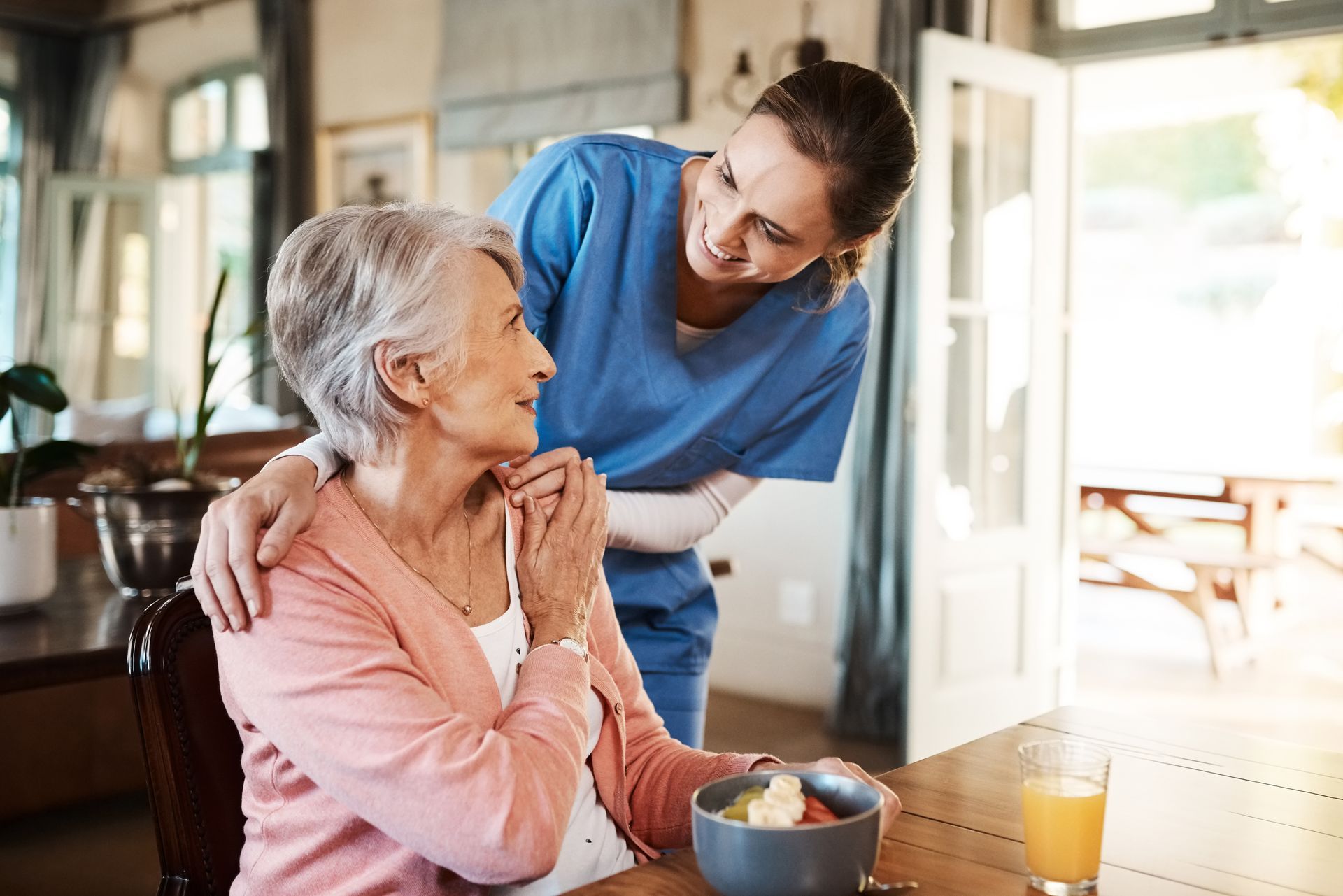
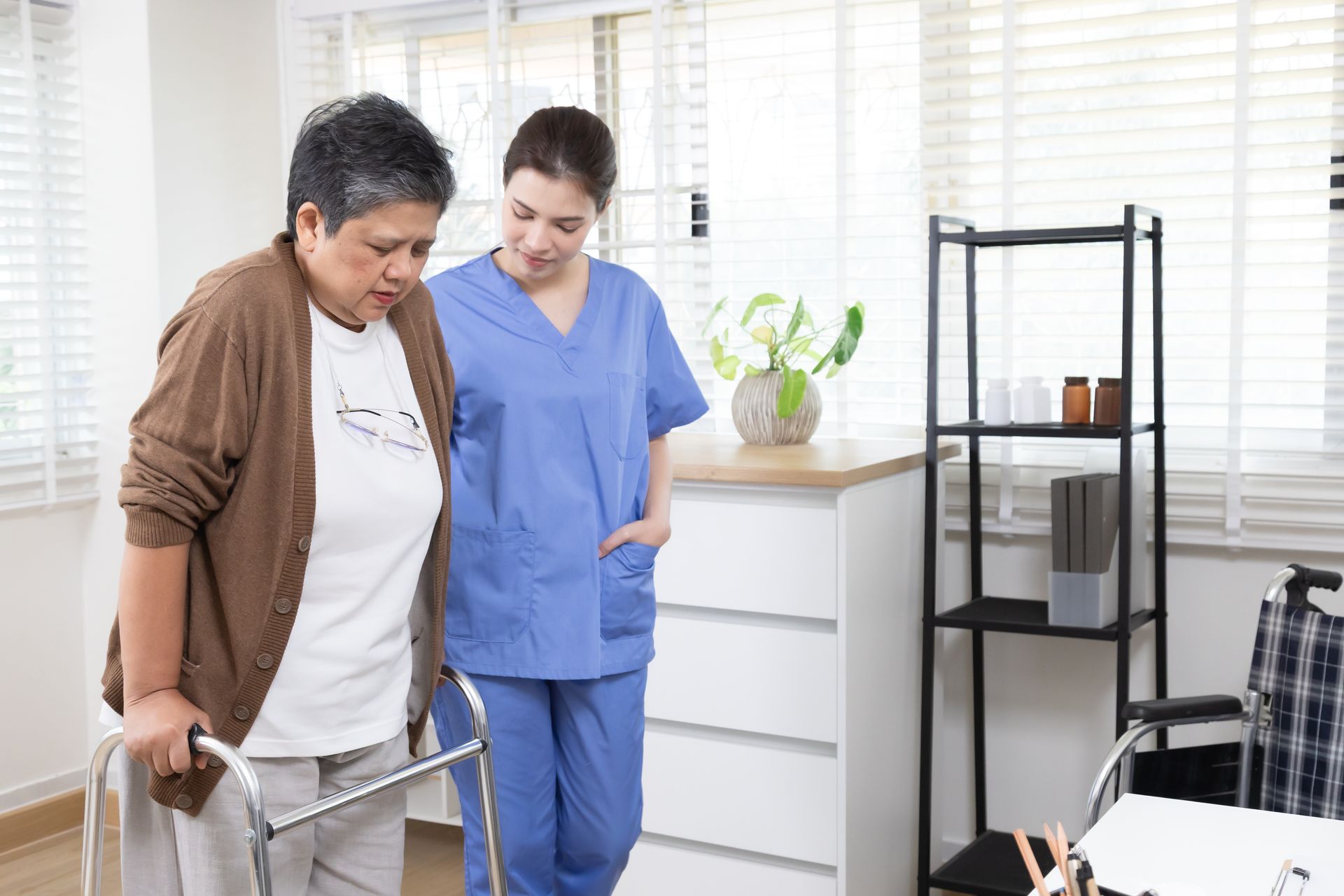
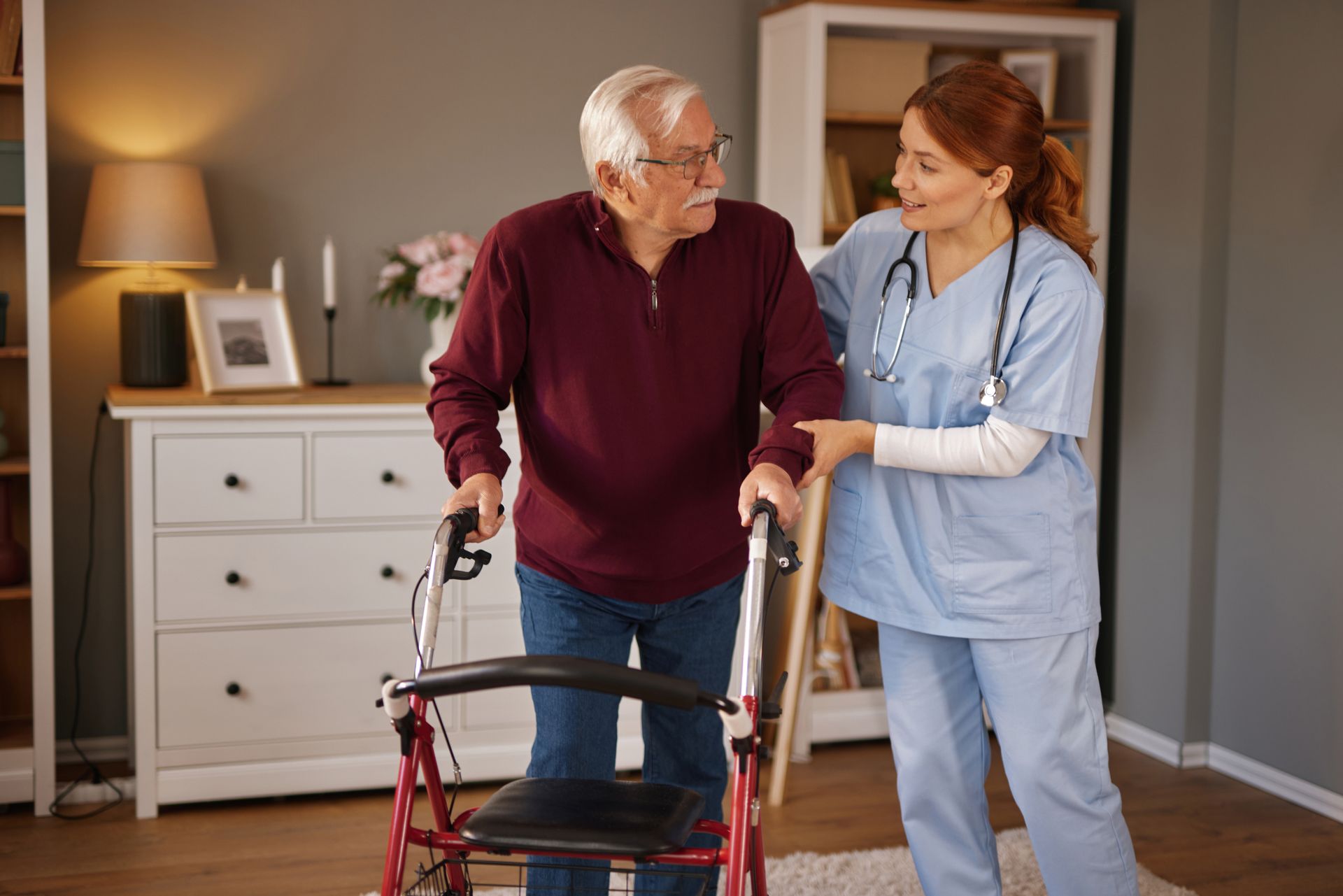
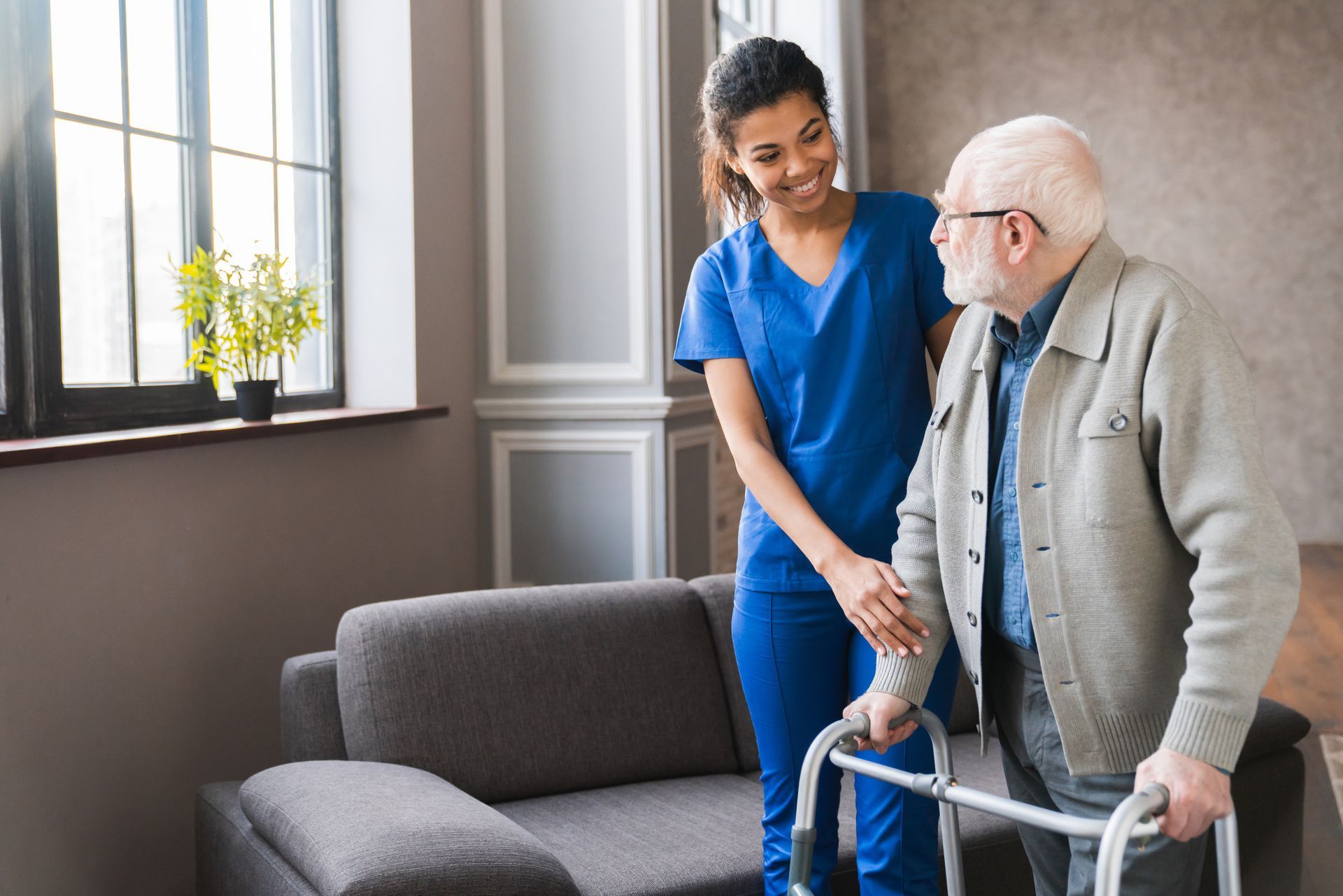
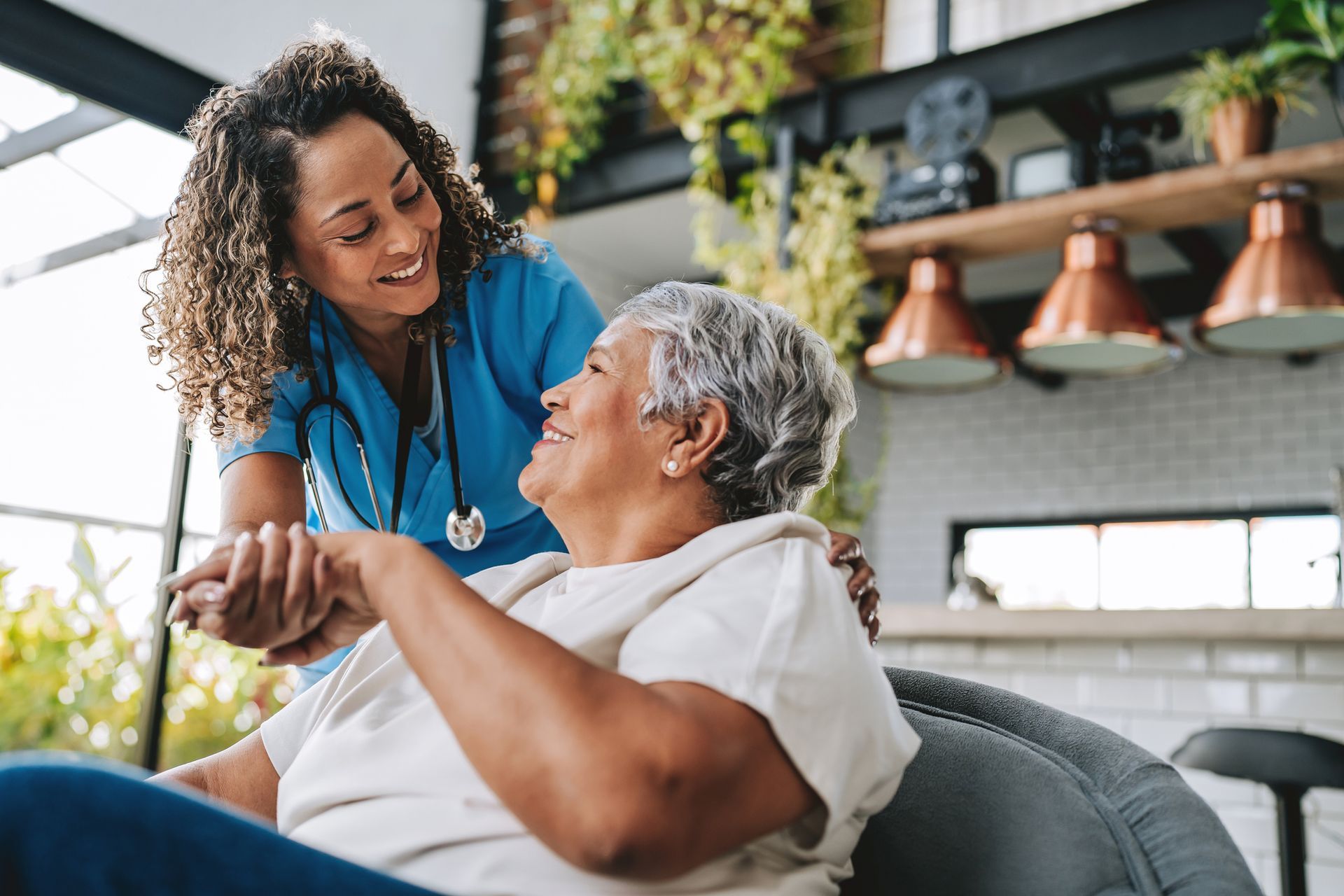
If you’re searching for reliable elderly in-home caregivers in Atlanta, GA, understanding their critical role in your loved one’s health monitoring is essential. At Advantage Private Home Care, caregivers go beyond companionship, serving as vigilant eyes and compassionate hands that ensure safety and wellness. This article will guide you through how elderly in-home caregivers help avoid risks associated with missed or incorrect medications, assist with schedules and reminders, monitor health or behavior changes, and recognize when it’s time to notify family members or medical professionals.
The Risks of Missed or Incorrect Medications
When it comes to elderly care, medication management is one of the most critical components. Missed or incorrect medications can lead to serious health complications, including hospitalization, worsening medical conditions, or even life-threatening events. Elderly individuals often have complex medication regimens with multiple daily doses and various medications that must be taken at exact times. Without proper supervision, the risk of errors increases significantly. Elderly in-home caregivers are trained to administer medications on time and in the right dosages, reducing these risks and providing peace of mind for family members.
How Elderly In-Home Caregivers Help With Schedules and Reminders
Beyond medication, elderly in-home caregivers play an essential role in managing daily schedules and reminders. Many seniors have appointments, physical therapy sessions, and personal care routines that require adherence to specific times. Caregivers help organize these tasks and ensure they are completed efficiently and punctually. Whether it’s reminding a client to eat meals, stay hydrated, or perform exercises, caregivers create structure and consistency that benefit overall health. This proactive approach helps prevent missed appointments and supports independence.
Monitoring Changes in Health or Behavior
One of the greatest advantages of elderly in-home caregivers is their ability to observe subtle changes in health or behavior. Seniors may not always communicate or recognize symptoms that signal developing health issues. Caregivers can detect early warning signs such as confusion, mood swings, decreased mobility, or changes in appetite. These observations are crucial for catching potential problems before they escalate. Continuous monitoring promotes timely interventions and helps maintain a higher quality of life for the elderly individual.
When to Notify Family Members or Medical Professionals
Knowing when to escalate concerns is a vital skill that elderly in-home caregivers possess. Not every change warrants immediate alarm, but caregivers are trained to assess severity and communicate appropriately. They maintain close contact with family members and healthcare providers to report any urgent changes or health risks. Whether it’s an unexpected fall, new symptoms, or medication side effects, prompt notification ensures that your loved one receives the necessary care quickly. This communication becomes the backbone of a comprehensive support network.
Key Responsibilities of Elderly In-Home Caregivers in Health Monitoring
Elderly in-home caregivers take on multiple vital responsibilities to ensure the health and safety of seniors. Their role goes beyond companionship; they act as an essential part of the care team by handling diverse tasks that support daily well-being.
Here are some of the key responsibilities they routinely manage:
- Medication Management:
Administering and organizing medications according to prescribed schedules to prevent missed or incorrect doses. Caregivers also keep track of refills and alert families when prescriptions need renewing.
- Vital Signs Monitoring: Observing blood pressure, temperature, pulse, and other indicators to detect potential health issues early. Regular monitoring can help identify trends or alarming changes requiring professional evaluation.
- Behavioral Observations: Noting changes in mood, cognitive function, or physical ability that may indicate underlying health problems. These observations are critical in recognizing conditions like dementia, depression, or physical decline.
- Appointment Coordination: Assisting with scheduling and ensuring attendance at medical appointments, therapy sessions, or wellness checks. Caregivers also provide transportation if needed, easing stress for seniors and their families.
- Emergency Response:
Being prepared to act quickly during emergencies such as falls, sudden illnesses, or stroke symptoms. They are trained to administer basic first aid and call for immediate medical help when necessary.
- Communication Liaison: Keeping family members and healthcare providers informed about health developments and concerns. Effective communication helps ensure continuity of care and supports timely interventions.
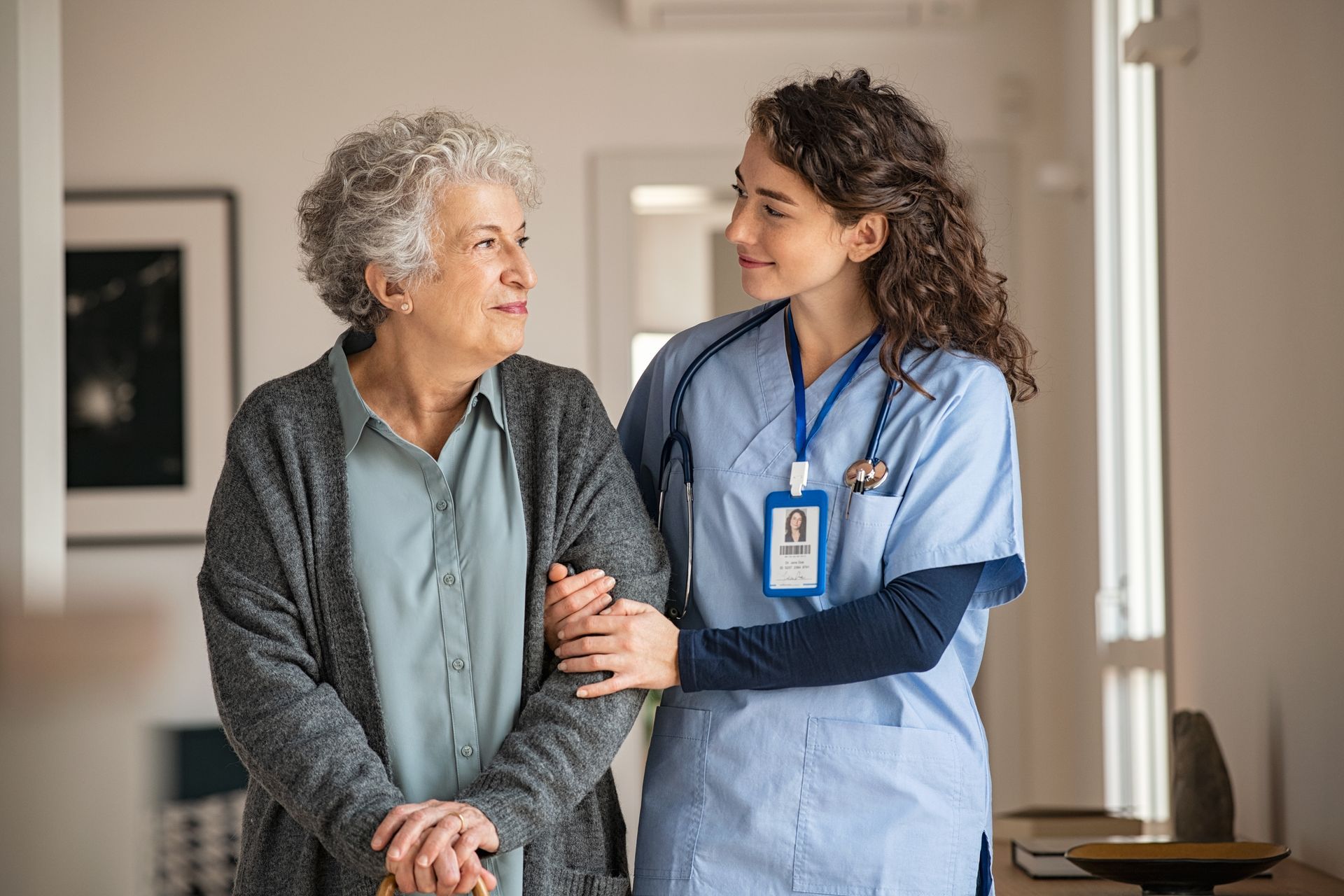
By managing these responsibilities attentively, elderly in-home caregivers provide a comprehensive health monitoring system that helps maintain stability and improves quality of life for seniors living at home. Their attentive care ensures potential problems are caught early and addressed promptly, allowing seniors to live safely and comfortably in familiar surroundings.
Ensuring Your Loved One’s Health: Take the Next Step Today
Choosing elderly in-home caregivers in Atlanta, GA, who excel in health monitoring makes all the difference in keeping your loved one safe and healthy. From managing medications and daily routines to observing changes and coordinating with family and medical teams, these caregivers provide indispensable support. If you want compassionate and professional care tailored to your family’s unique needs,
contact Advantage Private Home Care. Reach out today to learn more about how our elderly in-home caregivers can safeguard your loved one’s well-being.